Birds of Panama, Herons & Egrets (Art. 1)
In Panama, this group includes about fifteen sedentary species and two migratory ones. The country is not lacking in marine or lacustrine coastlines… 3000 km of coastline on both oceans, Atlantic and Pacific, more than 2000 islands, and numerous lakes, natural or artificial. It also has many rivers and streams.
These are all biotopes favored by these bird species, where they find their food. Large quantities of saltwater or freshwater fish, but also crustaceans, amphibians, snakes, lizards, or sometimes even small mammals or young birds.
Here are some observations, in photos, that can be made throughout the country.
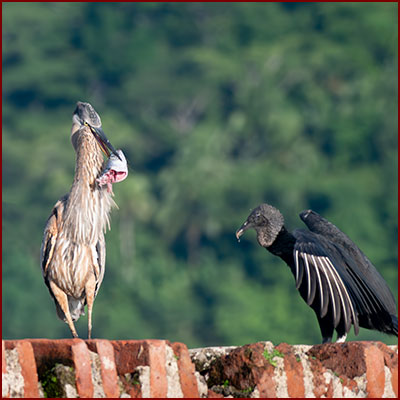
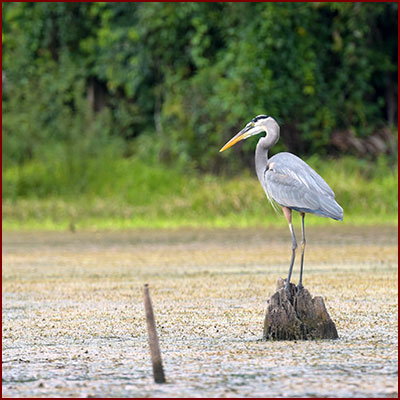
Great Blue Heron (Ardea herodias)
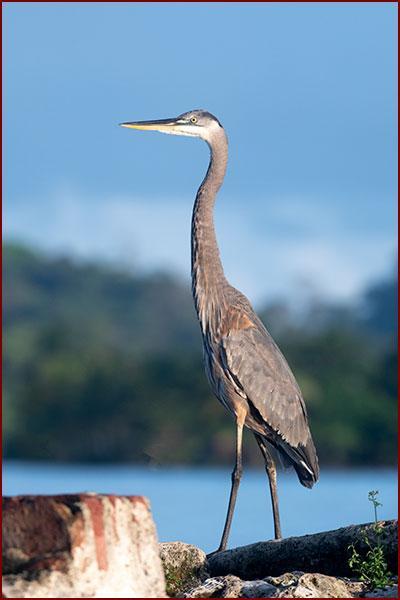
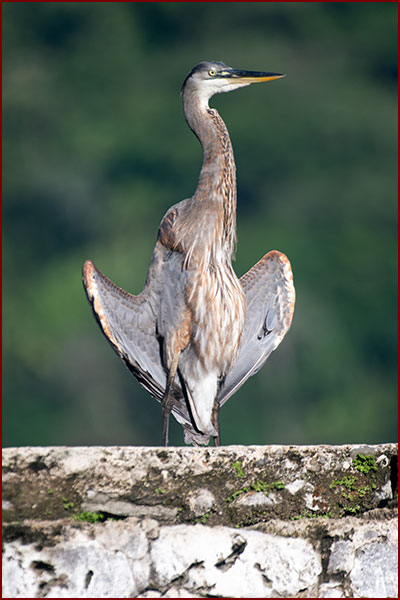
Along with the Cocoi Heron, these are the largest herons. It is distinguished from the Cocoi in all plumages by its rufous thighs. Those that nest in Canada and the northern United States come here to spend the boreal winter.
It is found everywhere on the banks of lakes and rivers below 1600 m.
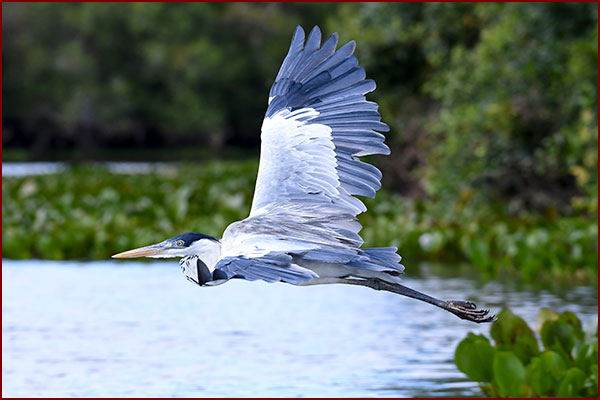
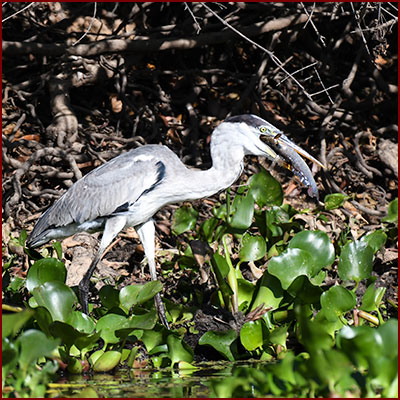
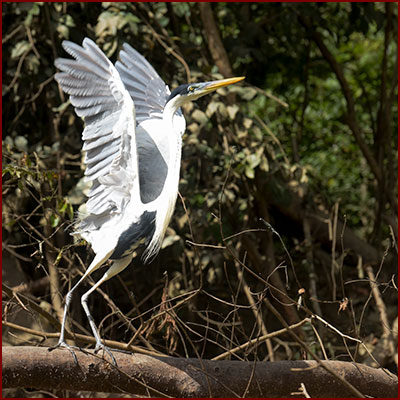
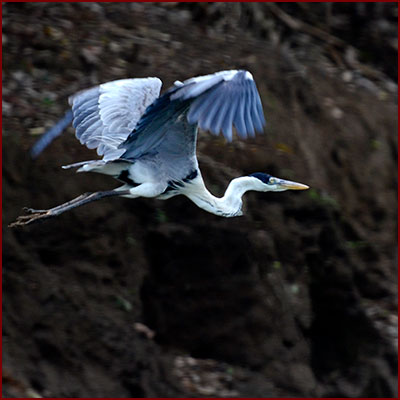
Cocoi Heron (Ardea cocoi)
The adult is recognized by its white neck and black crown. It is present in the eastern part of the country and favors shallow waters where it can wade and rocks emerging from rivers to climb onto.
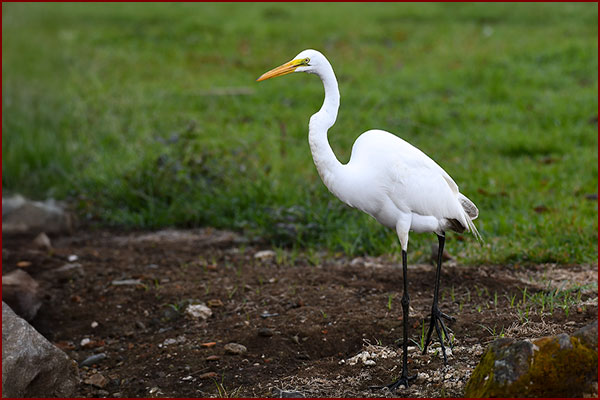
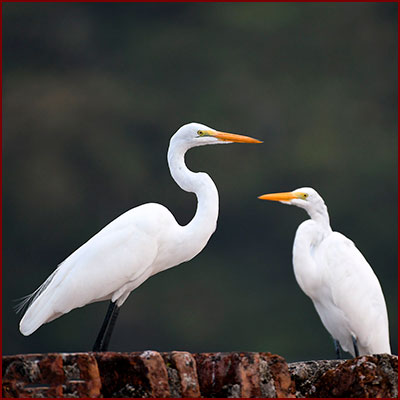
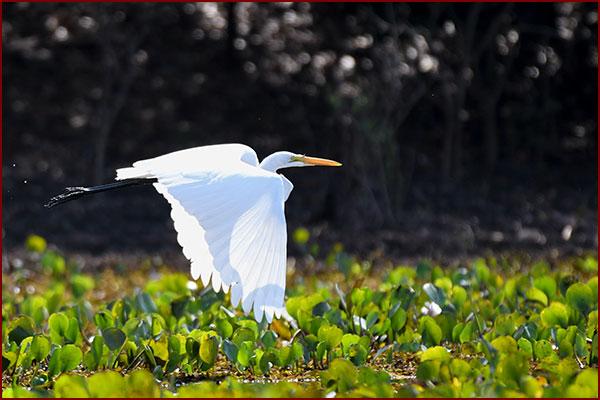
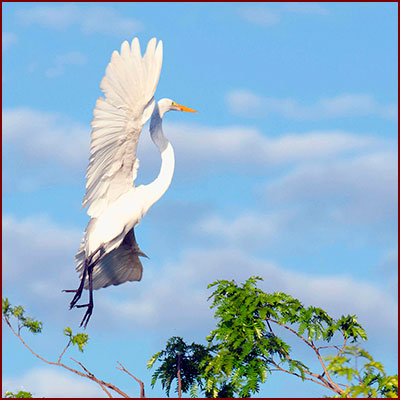
Great Egret (Ardea alba)
As it occupies the entire globe except the Antarctic continent, it is present throughout the country below 1400 m altitude. Among the large species, it is easily recognized by its yellow beak and black legs.
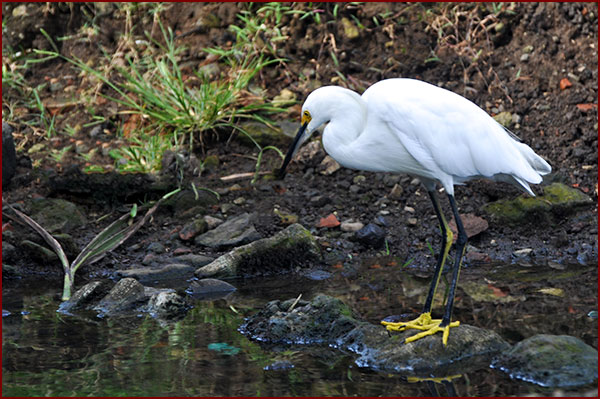
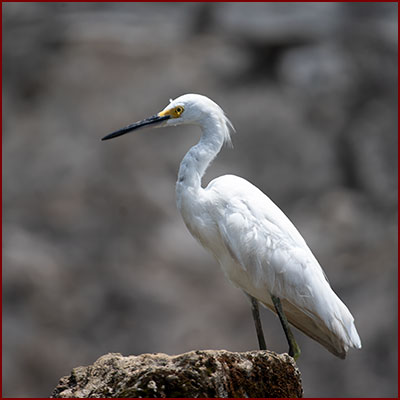
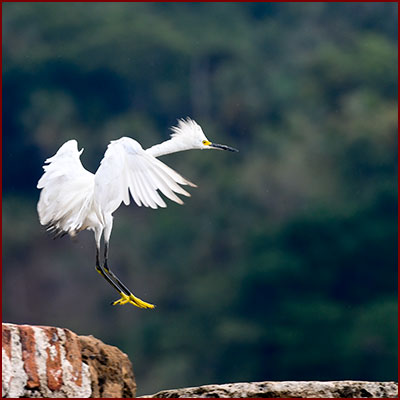
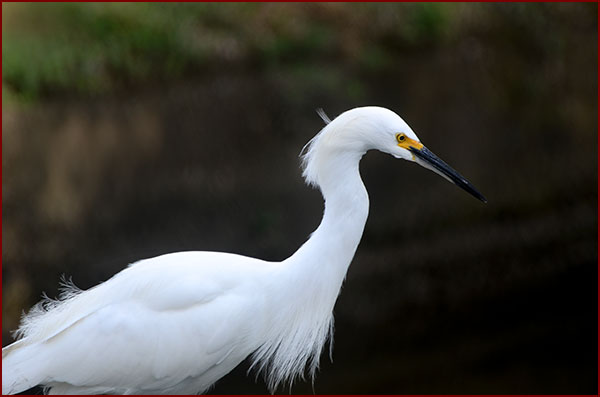
Snowy Egret (Egretta thula)
A medium-sized white heron. Its plumage is entirely white at all ages. Slender black beak, black legs, and bright yellow feet. Present on the American continents from north to south, common, it is found everywhere in the country below 1400 m. It nests in colonies on the Pacific Ocean coast. During the summer, migrants join the resident population.
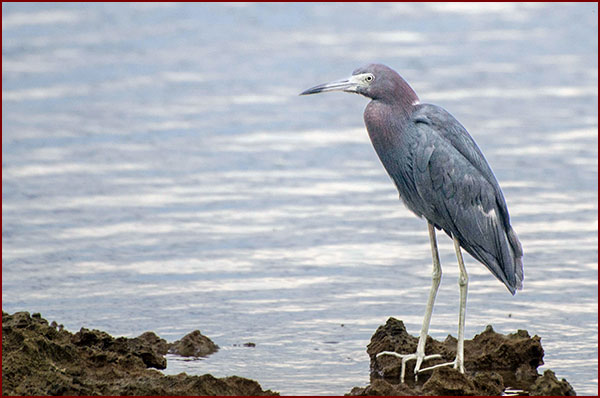
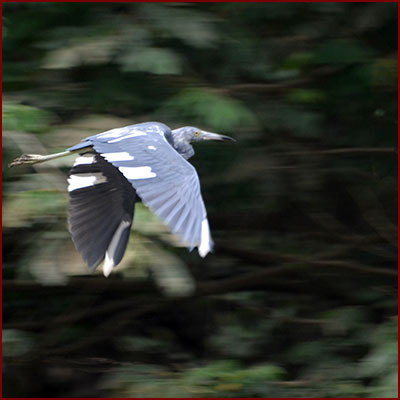
Little Blue Heron (Egretta caerulea)
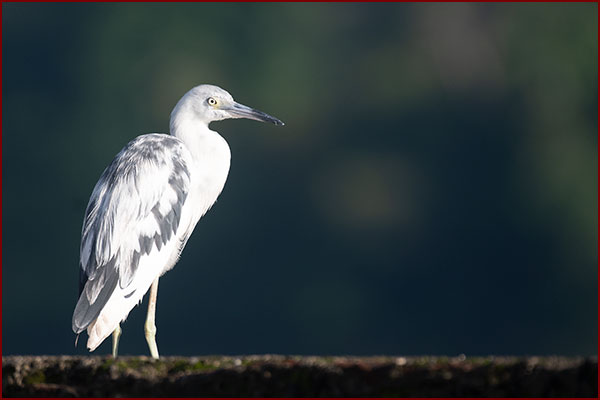
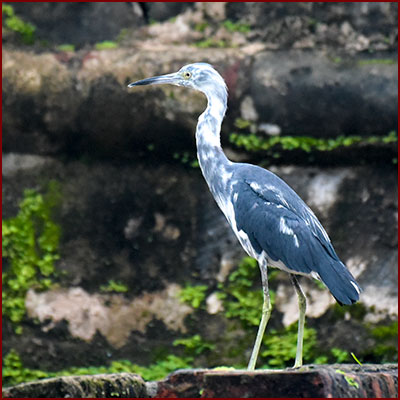
The Little Blue Heron has a violet-brown head and neck, and the rest of its body is rather dark blue gray. The gray beak with a darker tip is slightly curved downwards and pointed. Immatures are white and can be confused with the Snowy Egret. A migratory species, in season, present everywhere in the country below 1400 m altitude.
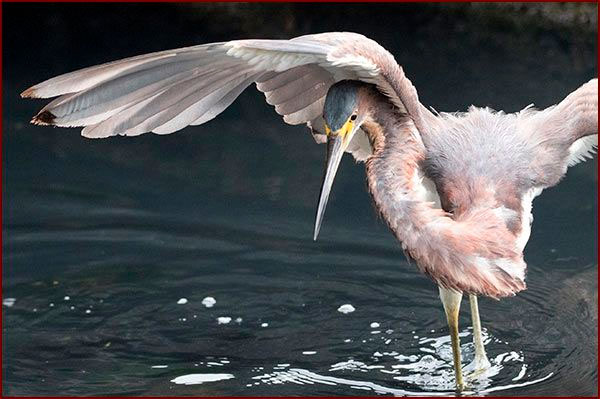
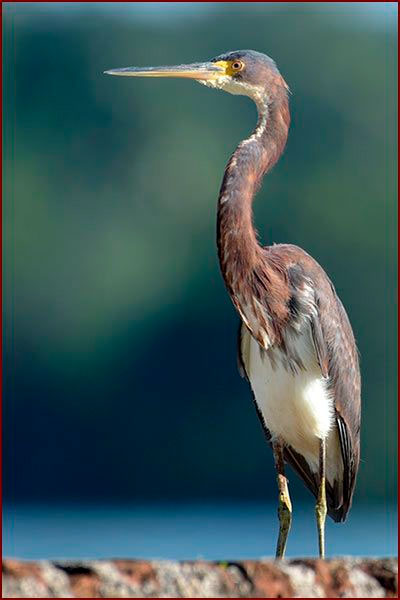
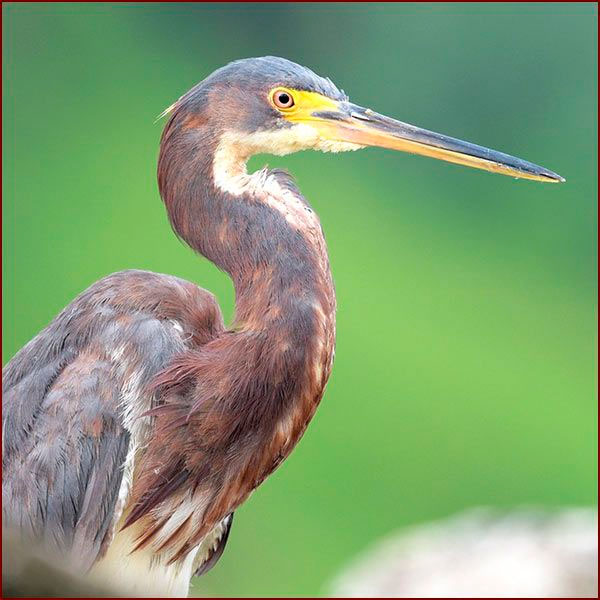
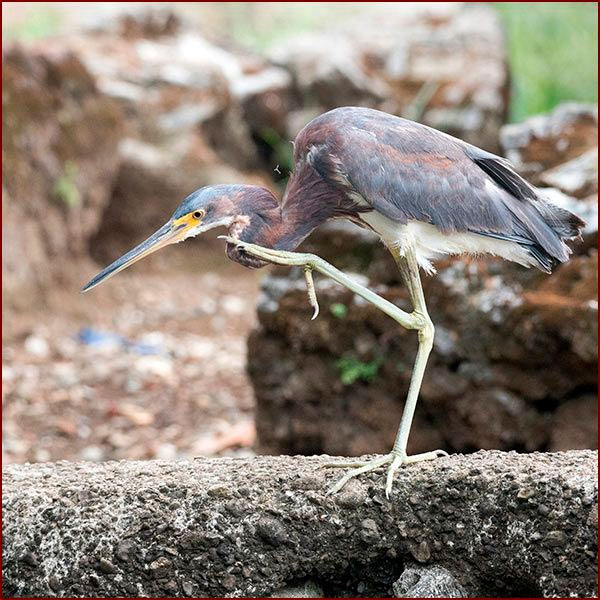
Tricolored Heron (Egretta tricolor)
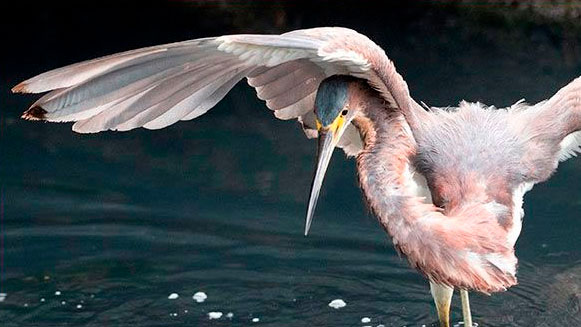
Head, back, and wings are slate blue-gray, while the belly, flanks, and underwings are white. The long beak is yellow with a black tip. A white stripe runs down the long neck. Present everywhere in the country below 1400 m. It nests in colonies on the Pacific Ocean coast.